
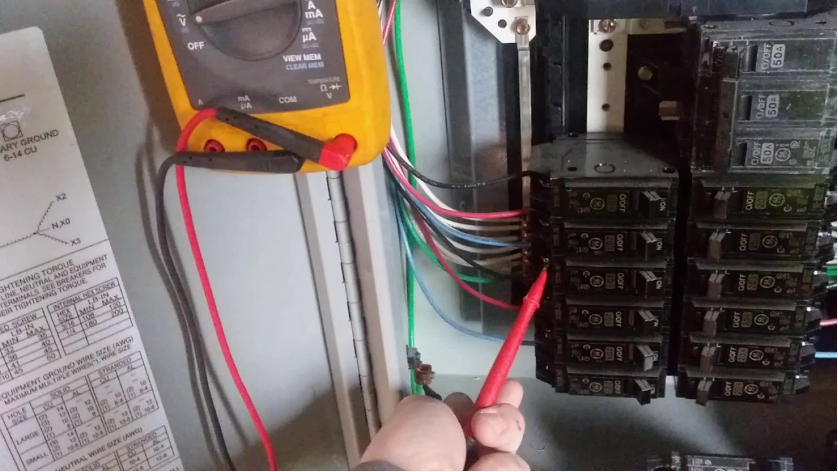
A circuit breaker that suddenly switches off can interrupt your daily routine, especially when it happens while using lights, appliances, or other electrical equipment. Although an occasional trip may simply mean a circuit is overloaded, repeated tripping can point to a more serious electrical issue.
Circuit breakers are safety devices designed to stop the flow of electricity when they detect conditions that could damage wiring or create a fire hazard. When a breaker trips, it helps protect your home or business from overheating, electrical faults, and other potential dangers.
Understanding what causes circuit breakers to trip can help you recognize warning signs and decide when to contact a professional electrician. Below, CC Electrical explains the most common causes, what you should look for, and when your electrical system may need professional attention.
How Does a Circuit Breaker Work?
Your electrical panel distributes power to different circuits throughout your property. Each circuit supplies electricity to specific outlets, lighting fixtures, appliances, or equipment. A circuit breaker monitors the amount of electrical current flowing through its circuit.
When the current exceeds a safe level or the breaker detects certain electrical faults, it automatically interrupts the power. This prevents excessive current from continuing through the wiring, where it could cause overheating, damage, or an electrical fire.
A breaker may trip because of a temporary overload, damaged wiring, a faulty appliance, or a problem with the breaker itself. The important thing is to understand why it happened rather than repeatedly resetting it without identifying the cause.
8 Common Reasons Circuit Breakers Trip
Several electrical problems can cause a circuit breaker to switch off. Some are related to everyday power usage, while others involve damaged components or unsafe wiring conditions.
1. Circuit Overload
A circuit overload is one of the most common reasons a circuit breaker trips. It happens when too many electrical devices draw power from the same circuit at the same time.
Every electrical circuit has a specific capacity. When the combined electrical demand exceeds that capacity, the wiring can begin to overheat. The circuit breaker responds by shutting off the power before excessive heat causes damage.
Common examples include:
- Running a microwave, toaster, and coffee maker on the same kitchen circuit
- Using multiple space heaters on one circuit
- Operating an air conditioner alongside other high-power appliances
- Connecting several devices through extension cords or power strips
- Running multiple workshop tools from the same electrical circuit
What can help?
Avoid operating several high-power appliances on the same circuit simultaneously. If the breaker frequently trips during normal household or business activities, an electrician can evaluate the electrical load and determine whether additional dedicated circuits or an electrical panel upgrade may be appropriate.
2. Short Circuits
A short circuit occurs when electricity takes an unintended path, often because a hot wire comes into contact with a neutral wire. This creates a sudden increase in current that can cause the circuit breaker to trip immediately.
Short circuits can develop for several reasons, including:
- Damaged or deteriorated wire insulation
- Loose or improperly connected wiring
- Damaged electrical outlets or switches
- Defective appliance cords
- Faults inside electrical equipment
A short circuit is more serious than a typical overloaded circuit because it can generate intense heat and create a fire hazard.
Watch for warning signs such as a breaker that trips immediately, a burning smell, scorch marks around an outlet, or unusual popping sounds. Do not keep resetting the breaker to restore power. Stop using the affected circuit and arrange for a professional electrical inspection.
3. Ground Faults
A ground fault happens when electrical current escapes its intended path and flows toward the ground through an unintended connection. This may occur when a hot wire contacts a grounded metal surface, a ground wire, or another conductive component.
Ground faults are especially concerning in areas where electricity and moisture may come into contact. Common locations include:
- Bathrooms
- Kitchens
- Laundry rooms
- Garages
- Outdoor outlets
- Areas near sinks or water sources
Ground-fault circuit interrupter (GFCI) protection is designed to detect differences between the outgoing and returning electrical current. When it detects an imbalance, it quickly interrupts the power to reduce the risk of electric shock.
If a GFCI outlet or breaker keeps tripping, the cause could be moisture, damaged wiring, a faulty appliance, or an electrical fault. Avoid using the affected outlet until the problem has been identified.
4. Arc Faults and Damaged Wiring
An arc fault occurs when electrical current jumps across an unintended gap in a damaged or loose electrical connection. This can produce intense heat and sparks, creating a potential fire hazard even when the circuit is not overloaded.
Arc faults may develop because of:
- Loose connections behind outlets or switches
- Cracked or damaged wire insulation
- Worn electrical components
- Damaged cords or plugs
- Improper electrical connections
- Wiring damaged by pests or physical impact
Arc-fault circuit interrupters (AFCIs) are designed to detect certain dangerous electrical arcing conditions and disconnect power before they cause a fire.
If an AFCI breaker repeatedly trips, it may be responding to an actual wiring problem or a faulty connected device. An electrician can inspect the circuit and determine what is causing the interruption.
5. Faulty Appliances or Electrical Equipment
Sometimes, the electrical circuit is not the problem. A connected appliance or piece of equipment may have an internal fault that causes the breaker to trip.
An appliance with damaged wiring, a failing motor, or an electrical component problem may draw more current than expected or create a short circuit or ground fault.
Common examples include:
- Refrigerators and freezers
- Washing machines and dryers
- Dishwashers
- Microwaves and ovens
- Air conditioning equipment
- Power tools and workshop equipment
You may notice that the breaker trips whenever you turn on a particular appliance. This can be a useful clue, but it does not confirm the appliance is the only problem.
If an appliance has a damaged cord, unusual heat, a burning odor, or visible damage, stop using it. Have the equipment inspected by a qualified repair professional or electrician as appropriate.
6. Old or Defective Circuit Breakers
Circuit breakers are designed to protect for years, but their internal components can eventually wear out or become damaged. A failing breaker may trip unexpectedly, struggle to remain switched on, or fail to operate correctly.
Possible signs of a defective breaker include:
- Frequent trips without an obvious change in electrical usage
- A breaker that feels unusually warm
- Difficulty staying in the ON position
- Visible discoloration or damage around the breaker
- Buzzing, crackling, or unusual sounds from the electrical panel
However, these symptoms do not automatically mean the breaker itself is defective. A wiring fault, overloaded circuit, or connected appliance may produce similar symptoms.
A professional electrician can test the circuit, inspect the breaker, and determine whether replacement or additional electrical repairs are necessary. Never attempt to remove or replace a breaker yourself.
7. Moisture or Water Exposure
Water and electricity are a dangerous combination. Moisture entering an outlet, electrical box, wiring connection, or outdoor electrical component can create a ground fault or other electrical problem.
This may happen because of:
- Water entering outdoor outlets
- Leaking plumbing near electrical components
- Moisture in garages or utility areas
- Damaged weatherproof outlet covers
- Flooding or water intrusion
- Condensation around electrical equipment
If a breaker trips after a leak, heavy rain, or water exposure, do not assume it is safe to reset. Keep away from wet electrical equipment and avoid touching affected outlets, switches, or the electrical panel if the surrounding area is wet.
Have the affected electrical components inspected before using the circuit again.
8. An Electrical Panel That Cannot Handle Current Demand
Older electrical systems may not have been designed to support the number of appliances and devices used in modern homes and businesses. New equipment, home additions, remodeling projects, and EV chargers can increase electrical demand beyond what an existing system can comfortably support.
Signs that your electrical system may need an evaluation include:
- Breakers frequently tripping during normal use
- Limited space for additional circuits
- Multiple high-demand appliances operating on existing circuits
- Lights dimming when certain equipment starts
- Plans to install an EV charger or other major electrical equipment
A professional electrician can assess your electrical load and determine whether the property needs additional circuits, a panel replacement, or a service capacity upgrade. The correct solution depends on the condition and capacity of the existing system.
What Should You Do When a Circuit Breaker Trips?
A tripped breaker does not always indicate an emergency, but it should never be ignored if the cause is unclear or the problem keeps happening.
Follow these safety steps:
- Identify the affected area: Check which lights, outlets, or appliances have lost power. Do not touch damaged or wet electrical equipment.
- Turn off connected devices: If it is safe to do so, switch off or unplug appliances that were operating when the breaker tripped.
- Look for visible warning signs: Check from a safe distance for burning odors, smoke, scorch marks, buzzing, or damaged cords.
- Do not repeatedly reset the breaker: A breaker that trips again is signaling that the underlying problem may still exist.
- Contact an electrician: If the cause is not obvious, the breaker will not stay on, or the problem happens repeatedly, arrange for professional troubleshooting.
If you notice smoke, sparks, a burning smell, or signs of an electrical fire, stay away from the affected equipment and call emergency services. Do not approach or operate the electrical panel if doing so would put you at risk.
When Should You Call an Electrician for a Tripping Breaker?
An occasional trip caused by an overloaded circuit may be resolved by reducing the electrical load. However, repeated or unexplained breaker trips require further investigation.
Contact a professional electrician if:
- The same circuit breaker trips repeatedly.
- A breaker trips immediately after being reset.
- You notice burning odors or scorch marks near outlets.
- Outlets or switches feel unusually warm.
- You hear buzzing, crackling, or popping from the electrical panel.
- Lights flicker or dim when appliances operate.
- You suspect damaged wiring or moisture exposure.
- Your electrical panel cannot support new appliances or equipment.
An electrician can inspect the electrical panel, test affected circuits, check wiring connections, and identify whether the issue involves an overload, short circuit, ground fault, faulty breaker, or connected appliance.
Professional troubleshooting helps identify the actual cause so the correct repair can be completed instead of repeatedly addressing the same symptoms.
Can an Electrical Panel Upgrade Help Prevent Frequent Breaker Trips?
An electrical panel upgrade may help when an existing panel is outdated, damaged, has insufficient capacity, or cannot accommodate the electrical needs of the property. However, an upgrade is not the solution to every tripping breaker.
For example, if one appliance has a damaged cord or a circuit has a short circuit, replacing the electrical panel will not fix the underlying fault.
Before recommending an upgrade, an electrician should evaluate the panel’s condition, the property’s electrical load, available circuit capacity, and the cause of the repeated trips.
Depending on the findings, the right solution may involve:
- Repairing damaged wiring
- Replacing a defective circuit breaker
- Installing a dedicated circuit for a high-demand appliance
- Adding circuits where the panel has sufficient capacity
- Replacing an outdated electrical panel
- Upgrading electrical service when the existing capacity is insufficient
A proper assessment helps ensure that electrical work addresses the actual problem and supports the property’s current and future power requirements.
How to Reduce the Risk of Circuit Breaker Trips
You cannot prevent every electrical fault, but good electrical habits can reduce unnecessary trips and help protect your property.
Consider these practical steps:
- Avoid plugging too many high-power appliances into one circuit.
- Do not overload extension cords or power strips.
- Stop using appliances with damaged cords or plugs.
- Keep electrical outlets and equipment away from water.
- Pay attention to repeated breaker trips instead of ignoring them.
- Have older or frequently used electrical systems inspected when problems arise.
- Consult an electrician before adding major appliances, EV chargers, or new electrical equipment.
- Address flickering lights, unusual sounds, and burning odors promptly.
If you are planning a renovation, new construction project, or major appliance installation, have the electrical requirements evaluated before the work begins. Proper circuit planning can help prevent unnecessary strain on your electrical system.
Get Professional Electrical Troubleshooting from CC Electrical
A circuit breaker that keeps tripping is more than an inconvenience. It may indicate an overloaded circuit, damaged wiring, a faulty appliance, or another electrical problem that needs attention.
CC Electrical provides residential and commercial electrical services, including electrical troubleshooting and repairs, panel upgrades, wiring, and new electrical installations. Whether you are dealing with repeated breaker trips or planning changes to your property’s electrical system, identifying the cause is the first step toward the right solution.
If your circuit breaker continues to trip or you have concerns about your electrical panel, contact CC Electrical to discuss your electrical needs and arrange professional service.
Visit CC Electrical or call (209) 603-4605 to request service.