
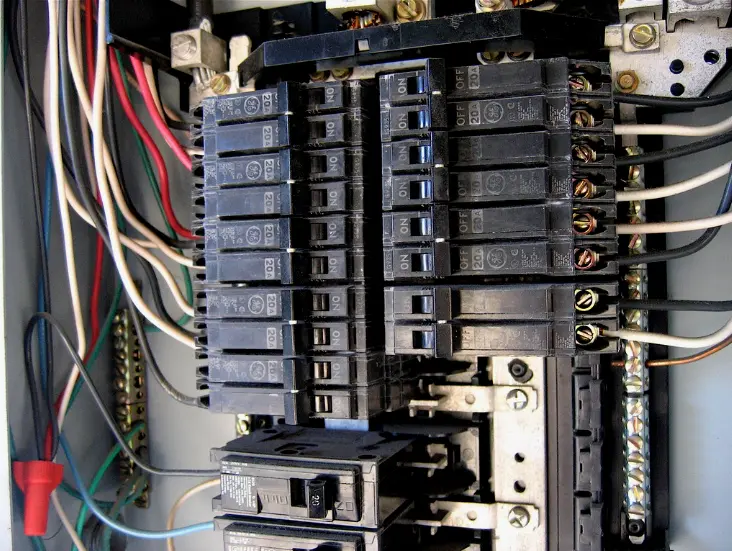
A circuit breaker that keeps tripping, refuses to reset, or causes part of your home to lose power can be frustrating. These problems may indicate an overloaded circuit, a faulty appliance, damaged wiring, or an issue with the breaker itself. Understanding the cause is important because a circuit breaker helps protect your electrical system from dangerous conditions.
CC Electrical provides electrical repair and troubleshooting services for residential and commercial properties. Whether you are dealing with a breaker that trips repeatedly, an outlet that has stopped working, or an electrical problem affecting several rooms, identifying the underlying issue is the first step toward finding the right solution.
In this guide, we explain how circuit breakers work, common breaker problems, warning signs that require professional attention, and when to consider circuit breaker repair or replacement.
What Is a Circuit Breaker and Why Is It Important?
A circuit breaker is a safety device inside an electrical panel that helps protect a circuit from excessive electrical current. When the current exceeds safe limits or certain electrical faults occur, the breaker interrupts the flow of electricity.
Circuit breakers help protect the wiring and connected equipment from damage caused by conditions such as overloads and short circuits. Depending on the type of breaker, they may also provide protection against ground faults or arc faults.
You can find circuit breakers in homes, offices, retail spaces, and other commercial properties. Each breaker generally supplies a particular circuit, which may serve outlets, lighting, appliances, or other electrical equipment.
A properly functioning breaker is important for electrical safety. If a breaker trips frequently, feels unusually hot, makes unusual noises, or will not reset, the problem should be investigated rather than ignored.
How Does a Circuit Breaker Work?
A circuit breaker monitors the electrical current flowing through a circuit. When it detects a condition that requires protection, its internal mechanism opens the circuit and stops the flow of electricity.
Different breakers use different protection methods:
- Thermal circuit breakers: Use heat-sensitive mechanisms to respond to sustained overloads.
- Magnetic circuit breakers: Use magnetic action to respond quickly to high fault currents.
- Thermal-magnetic breakers: Combine both methods to provide protection against different types of overcurrent.
- AFCI breakers: Detect certain electrical arc faults that may create a fire hazard.
- GFCI protection: Detects certain ground-fault conditions that can increase the risk of electric shock. This protection may be provided by a GFCI breaker or a GFCI outlet.
When a breaker trips, it is responding to a condition that may need attention. Resetting it without understanding why it tripped can allow an underlying electrical problem to continue.
Common Circuit Breaker Problems and Their Causes
Circuit breaker issues can have several causes. The right repair depends on the symptoms, the circuit involved, and the condition of the electrical system.
1. Circuit Breaker Keeps Tripping
A breaker that trips repeatedly is one of the most common electrical problems homeowners experience.
Possible causes include:
- Too many appliances drawing power from the same circuit.
- A short circuit in wiring or connected equipment.
- A ground fault.
- A damaged appliance or electrical cord.
- Faulty wiring or a loose connection.
- A defective circuit breaker.
For example, running several high-power appliances on the same circuit may cause an overload. However, a breaker that trips when very little equipment is operating may have a different underlying problem.
What should you do?
If the breaker trips once and there are no signs of damage, burning, unusual heat, or moisture, you can unplug or switch off connected equipment and consult the panel’s operating instructions before attempting a single reset. If it trips again, leave it off and contact an electrician.
Never keep resetting a breaker that repeatedly trips. The cause needs to be identified before the circuit is returned to service.
2. Circuit Breaker Will Not Reset
Sometimes a breaker will not stay in the ON position after tripping. This can happen when the original fault is still present.
Common causes include a short circuit, an overloaded circuit, a ground fault, or a damaged breaker. Some breakers also need to be moved fully to the OFF position before they can be reset, but you should follow the manufacturer’s instructions and never force the handle.
If the breaker immediately trips again or will not reset after the connected equipment has been switched off, do not continue trying. A qualified electrical professional can determine whether the circuit has a fault or the breaker needs replacement.
3. Circuit Breaker Feels Hot
Electrical equipment can generate some heat during normal operation, but a breaker that feels unusually hot, shows discoloration, or produces a burning smell may have a dangerous problem.
Possible causes include loose electrical connections, excessive current, damaged components, or a faulty breaker.
Do not touch the breaker to test its temperature or remove the panel cover to inspect it. If you notice a burning odor, smoke, sparks, or visible scorching, keep away from the panel and seek urgent professional assistance. If there is smoke or fire, leave the area and contact emergency services.
4. Circuit Breaker Makes a Buzzing or Crackling Sound
A persistent buzzing, crackling, or sizzling sound from an electrical panel should not be ignored. It may indicate a loose connection, electrical arcing, excessive load, or damaged equipment.
These conditions can create a risk of overheating or fire.
Do not open the panel or attempt to tighten internal connections. Stop using affected equipment if it is safe to do so and arrange professional electrical troubleshooting. If there is active sparking, smoke, or a burning smell, stay away from the panel and treat the situation as urgent.
5. Part of the House Has Lost Power
If several outlets or lights stop working while other parts of the property still have power, a circuit breaker may have tripped. However, the problem could also involve a GFCI outlet, a wiring fault, or another electrical issue.
You can check whether other areas are affected and whether a GFCI outlet has tripped, provided there are no warning signs such as heat, moisture, burning smells, or visible damage.
If you cannot identify a simple cause, or if power loss continues, contact an electrician. Electrical troubleshooting can help determine whether the problem involves a breaker, an outlet, wiring, or another part of the system.
6. Circuit Breaker Trips When an Appliance Starts
Some appliances draw more current when they start than when they are running normally. If a breaker trips when an appliance starts, the cause may be excessive load, a faulty appliance, a wiring problem, or a breaker that is not functioning correctly.
Avoid repeatedly switching the appliance on to reproduce the problem. If the breaker trips consistently when the appliance is used, stop using it until the cause has been assessed.
An electrician can help determine whether the circuit is suitable for the equipment and whether a repair or other electrical work is required.
7. A Breaker Trips Even When Few Devices Are Connected
A breaker that trips despite a low apparent electrical load may have a wiring fault, damaged insulation, a ground fault, a defective connected device, or a problem with the breaker itself.
The cause cannot always be identified from the symptoms alone. Electrical testing may be necessary to determine what is happening.
Do not replace the breaker with one rated for a higher current just to stop the tripping. The breaker must be properly matched to the wiring, panel, and circuit requirements.
8. AFCI or GFCI Breaker Keeps Tripping
AFCI and GFCI devices provide different types of electrical protection.
An AFCI breaker is designed to detect certain arc-fault conditions. A GFCI breaker or outlet helps protect against certain ground faults that can cause electric shock.
Repeated tripping may be caused by a faulty appliance, damaged wiring, moisture, a ground fault, an arc-fault condition, or a defective protective device.
Never bypass AFCI or GFCI protection to keep a circuit operating. An electrician can troubleshoot the circuit and determine whether the cause is the connected equipment, the wiring, or the protective device.
How to Troubleshoot Circuit Breaker Problems Safely
Some basic observations can help you explain the problem to an electrician. However, internal electrical panel repairs should be left to a qualified professional.
Step 1: Identify Which Areas Have Lost Power
Check whether the problem affects one outlet, one room, several rooms, or the entire property. This information can help narrow down which circuit or electrical system may be involved.
Do not touch exposed wires or damaged electrical equipment.
Step 2: Consider What Happened Before the Problem
Think about whether the breaker tripped after you turned on an appliance, used several devices at once, operated equipment outdoors, or noticed moisture near an outlet.
These details may help an electrician identify a possible overload, equipment fault, or other electrical issue.
Step 3: Look for Warning Signs Without Touching the Equipment
From a safe distance, check for visible discoloration, smoke, sparks, or damage around the panel or affected outlet. Do not remove the panel cover or touch hot, wet, or damaged electrical equipment.
If you notice a burning smell, crackling, smoke, or signs of arcing, do not attempt to reset the breaker.
Step 4: Disconnect Suspected Appliances Only If It Is Safe
If there are no signs of an immediate hazard, you may unplug accessible appliances from ordinary outlets. Do not unplug equipment if the plug, outlet, or surrounding area is hot, wet, damaged, or sparking.
If the breaker trips again, leave it off and arrange professional troubleshooting.
Step 5: Know When to Stop
If the cause is not obvious, the breaker will not reset, or the problem happens repeatedly, further DIY troubleshooting is not appropriate.
A professional can test the circuit, inspect the relevant components, and determine whether the problem requires circuit breaker repair, replacement, wiring repair, or another electrical service.
How Do Electricians Repair Circuit Breaker Issues?
Professional circuit breaker repair begins with identifying the underlying fault. Replacing a breaker without finding the cause may not resolve the problem.
The repair process generally includes the following steps.
1. Diagnose the Electrical Problem
The electrician reviews the symptoms, determines which circuit is affected, and checks the relevant equipment. Depending on the situation, this may involve testing connected devices, assessing circuit load, and checking the electrical system for signs of damage.
2. Isolate the Electrical Supply Safely
Before working on electrical components, the professional follows appropriate procedures to isolate the relevant power source and verify that the equipment is safe to work on.
Turning off a single branch-circuit breaker does not necessarily make every part of an electrical panel safe to touch. Some components may remain energized.
3. Inspect the Breaker and Related Wiring
The electrician examines the relevant breaker, wiring, connections, and connected circuit components. The inspection may identify signs of overheating, damaged insulation, loose connections, corrosion, or other faults.
The extent of the inspection depends on the problem and the condition of the electrical system.
4. Correct the Underlying Fault
The required repair depends on the diagnosis. It may involve correcting an overloaded circuit, repairing damaged wiring, addressing a faulty connected device, replacing a defective breaker, or resolving another electrical issue.
The breaker should not be replaced with a higher-rated unit unless the circuit, wiring, panel, and applicable requirements support that rating.
5. Test the Circuit Before Returning It to Service
After the repair, the electrician performs appropriate checks to confirm that the fault has been addressed and the circuit operates correctly. Testing may include verifying connections, checking the breaker, and confirming that required protective functions operate as intended.
The goal is to restore safe operation, not simply to make the breaker stay switched on.
When Should a Circuit Breaker Be Repaired or Replaced?
The decision depends on the condition of the breaker, the cause of the problem, and whether the equipment can be returned to safe operating condition.
When Circuit Breaker Repair May Be Appropriate
Repairing the underlying circuit problem may be suitable when the breaker itself is working correctly but is tripping because of an overload, faulty appliance, wiring issue, or another correctable fault.
In this situation, replacing the breaker alone may not solve the problem. The actual cause must be addressed.
When Circuit Breaker Replacement May Be Necessary
Replacement may be appropriate when the breaker is defective, damaged, affected by overheating, or no longer suitable for the application. A replacement must be compatible with the electrical panel and correctly rated for the circuit.
A professional should also consider whether the panel has other problems that need attention.
When a Larger Electrical Repair Is Needed
If repeated breaker problems are caused by damaged wiring, insufficient circuit capacity, or a deteriorated electrical panel, the solution may involve more than replacing one breaker.
Depending on the assessment, the property may need electrical wiring repair, a dedicated circuit, an electrical panel repair, or a panel upgrade.
The correct solution should be based on the condition of the system rather than an assumption that every tripping breaker needs replacement.
Warning Signs That Require Immediate Attention
Some electrical problems should be treated as urgent because they may indicate a fire or shock hazard.
Watch for these warning signs:
- Burning smells coming from the panel, outlet, or electrical equipment.
- Smoke, sparks, or visible electrical arcing.
- Crackling or sizzling sounds from a breaker or outlet.
- Scorch marks, melted plastic, or visible damage.
- Unusually hot electrical equipment.
- Repeated tripping accompanied by a burning odor or other signs of damage.
- Water entering an electrical panel or reaching damaged electrical equipment.
Do not open the panel, touch damaged components, or attempt to repair the problem yourself. Keep away from the affected equipment and seek urgent professional assistance. If there is active smoke or fire, evacuate and contact emergency services.
How to Prevent Future Circuit Breaker Problems
Not every breaker trip can be prevented, but good electrical practices can reduce avoidable problems and help identify developing faults.
Avoid Overloading Circuits
Using several high-power appliances on the same circuit may exceed its capacity. Spread appliance use across suitable circuits when possible, and ask an electrician whether additional circuits are needed for equipment with high electrical demand.
Repair Faulty Appliances and Cords
Damaged cords, defective appliances, and equipment that repeatedly causes a breaker to trip should be taken out of use until the problem is resolved.
Do Not Ignore Repeated Tripping
A breaker that trips again and again is giving you information about a possible electrical problem. Repeatedly resetting it without finding the cause is not a safe long-term solution.
Arrange Electrical Inspections When Needed
An electrical safety inspection may be useful when a property has recurring electrical problems, visible damage, or planned electrical improvements. It can also help identify issues that need attention before a renovation or the addition of new equipment.
Check Electrical Needs Before Adding Major Equipment
EV chargers, large appliances, workshop equipment, and other high-demand devices may require dedicated circuits or an assessment of the existing electrical capacity.
Planning ahead can help determine whether the current system can support the added load.
Residential and Commercial Circuit Breaker Repair
Circuit breaker problems can affect both homes and businesses, but the electrical demands may differ.
Residential Circuit Breaker Repair
In a home, common issues include breakers tripping when appliances operate, outlets losing power, lighting problems, and faults involving AFCI or GFCI protection.
An electrician can determine whether the issue involves a single appliance, a branch circuit, the breaker, or a broader electrical problem.
Commercial Circuit Breaker Repair
Commercial properties may have more complex electrical distribution systems and equipment with higher electrical demands. Breaker problems can affect lighting, outlets, office equipment, refrigeration, or other business operations.
Commercial electrical troubleshooting should consider the connected loads, equipment requirements, protective devices, and the cause of the fault before the circuit is returned to service.
CC Electrical provides residential and commercial electrical services for customers who need help with electrical repairs and troubleshooting.
Why Choose CC Electrical for Circuit Breaker Issues?
When a circuit breaker repeatedly trips or will not reset, identifying the underlying cause is important. Replacing a component without addressing the fault may leave the original problem unresolved.
CC Electrical offers electrical repair and troubleshooting services for residential and commercial properties. Whether you are experiencing a faulty breaker, a loss of power, an outlet problem, or recurring electrical issues, you can contact the team to discuss your situation.
Electrical problems may require different solutions, including circuit breaker repair, breaker replacement, electrical wiring repair, or panel-related work. The appropriate service depends on the condition of the system and the findings of the assessment.
Need help with a circuit breaker problem?
Contact CC Electrical at (209) 603-4605 or email ccelectrical24@gmail.com to discuss your electrical repair needs.
Frequently Asked Questions About Circuit Breaker Repair
Is it safe to repair a circuit breaker yourself?
No. Opening an electrical panel, removing a breaker, handling internal wiring, or testing energized components can expose you to electric shock and arc-flash hazards. You can observe the symptoms from a safe distance, but electrical panel repairs and internal testing should be handled by a qualified professional.
Why does my circuit breaker keep tripping repeatedly?
A breaker may trip because of an overloaded circuit, a short circuit, a ground fault, a faulty appliance, damaged wiring, or a defective breaker. If it trips repeatedly, leave it off and arrange professional electrical troubleshooting rather than continually resetting it.
How do I know if a circuit breaker is bad?
Possible signs include a breaker that will not reset, repeated unexplained tripping, visible damage, discoloration, or unusual sounds. However, these symptoms can also indicate wiring or circuit problems. An electrician should determine whether the breaker itself is defective.
How much does circuit breaker repair cost?
The cost depends on the cause of the problem, the type of breaker, the condition of the electrical panel, and the amount of work required. A straightforward repair may cost less than work involving damaged wiring, a panel replacement, or additional circuits. A professional assessment is the best way to establish the scope and cost of the repair.
Can I keep resetting a breaker that keeps tripping?
No. Repeated tripping indicates that a condition requiring attention may still be present. If the breaker trips again after a safe, appropriate reset, leave it off and contact an electrician. Never force a breaker to remain on.
What is the difference between circuit breaker repair and replacement?
Circuit breaker repair may involve correcting the electrical problem that caused the breaker to trip. Replacement involves removing a defective or unsuitable breaker and installing a compatible unit. The appropriate option depends on the diagnosis and the condition of the equipment.
Why does my breaker trip when I turn on an appliance?
The appliance may draw more current than the circuit can supply, have an internal fault, or be connected to a circuit with a wiring problem. The breaker itself may also be defective. Stop using equipment that repeatedly causes a trip and have the cause checked.
Can a tripping breaker mean my electrical panel needs an upgrade?
Sometimes, but not always. A breaker may trip because of a faulty appliance, damaged wiring, or a defective breaker rather than a lack of panel capacity. If the property needs to support additional electrical loads, an electrician can assess whether a panel upgrade or additional circuit is appropriate.
How long does circuit breaker repair take?
The time required depends on the cause of the problem. A straightforward diagnosis and repair may take less time than troubleshooting an intermittent fault or correcting damaged wiring. The electrician can provide a more accurate estimate after assessing the situation.
When should I call an electrician for an electrical problem?
Contact an electrician if a breaker repeatedly trips, will not reset, or is associated with recurring power loss. Burning smells, smoke, sparks, crackling, or signs of overheating require urgent attention. Stay away from affected equipment and contact emergency services if there is an active fire.
Get Help With Circuit Breaker Issues
A circuit breaker is an important part of your property’s electrical safety system. Repeated tripping, loss of power, unusual sounds, or signs of overheating should not be ignored. Finding the underlying cause helps determine whether the solution requires electrical troubleshooting, circuit breaker repair, breaker replacement, or other electrical work.
CC Electrical provides residential and commercial electrical services for customers in its service areas, including Valley Springs, Lodi, San Andreas, El Dorado Hills, Angels Camp, and nearby communities.
Call (209) 603-4605 or email ccelectrical24@gmail.com to discuss your electrical repair needs.