
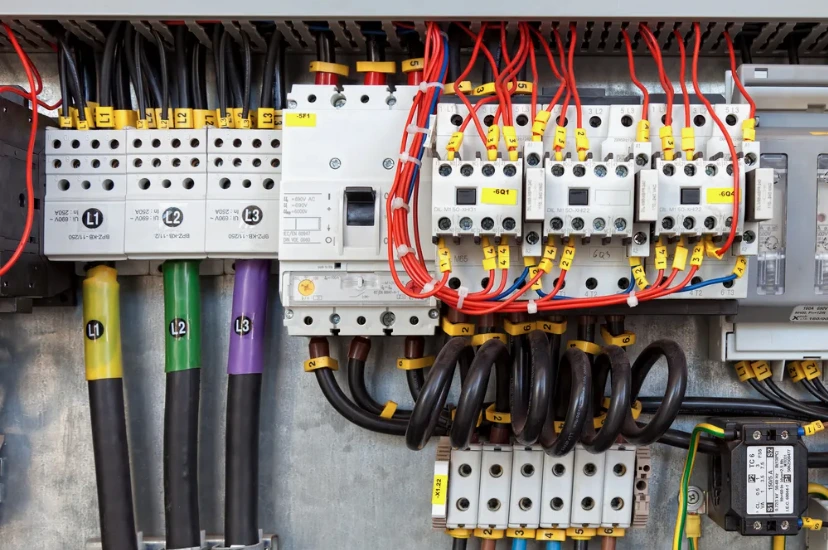
Your home’s electrical panel is responsible for distributing electricity to lights, appliances, outlets, HVAC equipment, and other electrical systems. As homes use more power than ever, many homeowners wonder: How much electrical panel capacity does a modern home need?
For many homes, a 100-amp electrical panel may be enough for basic electrical needs, while 150-amp or 200-amp panels are common in newer or larger homes. However, the right panel capacity depends on the home’s size, appliances, heating and cooling systems, and future electrical needs.
If your panel frequently trips, your home is undergoing renovations, or you’re adding high-demand equipment, it may be time to have an electrician evaluate your electrical service.
What Does Electrical Panel Capacity Mean?
Electrical panel capacity is measured in amps (amperes). It indicates how much electrical current the service and panel are designed to handle safely.
For example, a 200-amp electrical service can provide significantly more capacity than a 100-amp service. However, having a larger panel does not automatically mean your home will use more electricity. It simply provides more available capacity for the circuits and equipment your home requires.
The panel capacity should match the home’s calculated electrical load rather than being selected based only on the home’s square footage.
How Many Amps Does a Modern Home Typically Need?
There is no single panel size that works for every home. Common residential service capacities include:
- 60 amps: Usually found in older homes and generally limited for today’s electrical demands.
- 100 amps: May be suitable for smaller homes with relatively modest electrical loads.
- 150 amps: Can provide additional capacity for homes with more appliances and electrical equipment.
- 200 amps: A common choice for modern homes with central HVAC, electric appliances, and other higher-demand systems.
- 300+ amps: May be necessary for larger homes or properties with significant electrical loads.
A licensed electrician can perform a residential electrical load calculation to determine the appropriate capacity for your property.
What Appliances Affect Electrical Panel Capacity?
Several major appliances can significantly increase a home’s electrical demand. Some of the most important include:
Central Air Conditioning
Central air conditioning systems can place a substantial load on an electrical system, particularly during hot weather when the system operates for extended periods.
Electric Heating
Electric furnaces, heat pumps, and other electric heating equipment can require considerable electrical capacity. Homes that use electric heating may need more service capacity than homes that use natural gas heating.
Electric Water Heaters
Traditional electric water heaters can also contribute to a home’s overall electrical load.
Electric Range and Oven
Electric cooking equipment requires more electrical power than many smaller household appliances and should be included when evaluating panel capacity.
EV Chargers
Electric vehicle chargers are becoming increasingly common. A Level 2 EV charger can add a significant continuous electrical load, so homeowners should check whether their existing service has enough capacity before installation.
Heat Pumps
Heat pumps can affect electrical load calculations because they may operate for extended periods. Homes switching from gas heating to electric heat pumps should have their electrical service evaluated.
Other High-Demand Equipment
Swimming pools, hot tubs, workshops, electric dryers, well pumps, backup generators, and other equipment can also increase the home’s electrical demand.
Is a 100-Amp Panel Enough for a Modern Home?
A 100-amp panel can be sufficient for some homes, particularly smaller properties with gas appliances and moderate electrical usage.
However, it may become limiting when you add several high-demand electrical systems.
For example, a home with:
- Electric HVAC
- Electric water heater
- Electric range
- Electric dryer
- EV charger
- Pool equipment
may require significantly more capacity than a smaller home using gas appliances and having fewer electrical loads.
The important question isn’t simply whether your home has a 100-amp panel. An electrician should evaluate the actual and expected electrical load.
Is a 200-Amp Electrical Panel Better?
A 200-amp panel provides more available electrical capacity and is common in modern residential construction. It can be a practical option for homes with multiple major electrical appliances.
However, upgrading to 200 amps isn’t automatically necessary for every homeowner.
A larger service may make sense when you’re:
- Adding an EV charger
- Installing electric heating
- Replacing gas appliances with electric models
- Adding a large HVAC system
- Remodeling or expanding your home
- Installing a hot tub or pool
- Adding a workshop
- Planning significant future electrical upgrades
A professional electrical evaluation can determine whether your existing service can handle these additions.
How Is Electrical Panel Capacity Calculated?
Electricians don’t determine panel capacity based solely on the number of rooms in a house. They consider the home’s expected electrical load.
A load calculation may take into account:
- Square footage
- General lighting and receptacle loads
- Kitchen appliances
- HVAC equipment
- Water heating
- Electric heating
- Laundry equipment
- EV charging
- Motors and pumps
- Other permanently installed electrical equipment
The calculation helps determine whether the existing electrical service has enough capacity and whether an upgrade may be needed.
Signs Your Electrical Panel May Not Have Enough Capacity
An electrical panel doesn’t necessarily need to be upgraded just because your home has many appliances. However, certain warning signs deserve professional attention.
Frequent Breaker Trips
If breakers trip repeatedly when multiple appliances are operating, the electrical system should be evaluated.
Flickering or Dimming Lights
Lights that dim noticeably when large appliances start can indicate an electrical issue that needs investigation.
Adding New High-Power Equipment
Installing an EV charger, electric furnace, hot tub, or other high-demand equipment may require additional capacity.
An Older Electrical Service
Older homes may have electrical systems designed around much lower power demands than today’s homes.
Lack of Available Breaker Spaces
A panel with no room for additional circuits can make future electrical upgrades more difficult. However, adding a larger panel is not always the same as increasing the home’s service capacity.
Does a Bigger Electrical Panel Mean More Electrical Capacity?
Not necessarily.
This is an important distinction for homeowners. Panel size and electrical service capacity are related but aren’t exactly the same thing.
For example, installing a larger panel cabinet does not automatically increase the amount of electricity available to the home. The home’s service entrance, meter, conductors, main disconnect, and other components must also be capable of supporting the increased capacity.
That’s why an electrical service upgrade should be planned as a complete system rather than simply replacing the panel box.
Should You Upgrade to a 200-Amp Panel?
A 200-amp upgrade may be worth considering if your home’s electrical demand has increased or you are planning major additions.
For example, if you’re renovating your kitchen, installing central HVAC, adding an EV charger, or converting several gas appliances to electric, an electrician can determine whether your existing service is adequate.
In some cases, your existing panel may have enough capacity and only require a new circuit. In other situations, the service itself may need to be upgraded.
What About Future Electrical Needs?
When evaluating electrical panel capacity, it’s smart to consider what you may add to your home in the next several years.
Today’s electrical needs might be manageable, but future projects could increase demand.
Consider whether you may eventually install:
- An electric vehicle charger
- Solar equipment
- A heat pump
- Electric appliances
- A home addition
- A pool or spa
- An electric water heater
- Additional HVAC equipment
Planning ahead can help prevent unnecessary electrical work later.
How CC Electrical Can Help
If you’re unsure whether your electrical panel can handle your home’s current or future needs, CC Electrical can evaluate your electrical system and help determine the appropriate capacity for your property.
Before upgrading an electrical panel or adding high-demand equipment, a professional electrician can assess the existing service, calculate the expected electrical load, and identify any potential issues.
Whether you’re building a new home, remodeling an existing property, or preparing for an EV charger or other major electrical upgrade, getting the electrical capacity evaluated first can help you make a safer and more informed decision.
Frequently Asked Questions
Is 100 amps enough for a house?
A 100-amp electrical service may be sufficient for a smaller home with moderate electrical demand. Homes with electric heating, multiple large appliances, EV charging, or other high-demand equipment may need greater capacity.
Is 200 amps enough for a modern home?
A 200-amp service is commonly suitable for many modern homes, but the appropriate capacity depends on the home’s calculated electrical load and equipment.
How do I know if my electrical panel needs an upgrade?
Frequent breaker trips, limited circuit capacity, an older electrical system, or plans to install high-demand equipment may indicate that an evaluation is needed. An electrician can perform a load calculation to determine whether an upgrade is necessary.
Does an EV charger require a panel upgrade?
Not always. An electrician should evaluate your existing electrical service and available capacity before installing an EV charger. Some homes can accommodate the additional load without a service upgrade.
Can I install a bigger electrical panel myself?
Electrical panel work involves serious safety risks and should be handled by a qualified electrician. Panel upgrades may also involve service equipment, permits, inspections, and utility requirements.
Final Thoughts
The right electrical panel capacity depends on more than the size of your home. Appliances, HVAC systems, heating methods, EV charging, and future electrical projects all affect your home’s electrical load.
For some properties, 100 amps may be sufficient. For many modern homes, 200 amps provides more capacity for today’s electrical demands. The best way to determine the right size is through a professional electrical load evaluation.
If you’re planning an electrical upgrade or adding a high-demand appliance, contact CC Electrical to have your home’s electrical capacity evaluated before starting the project.