
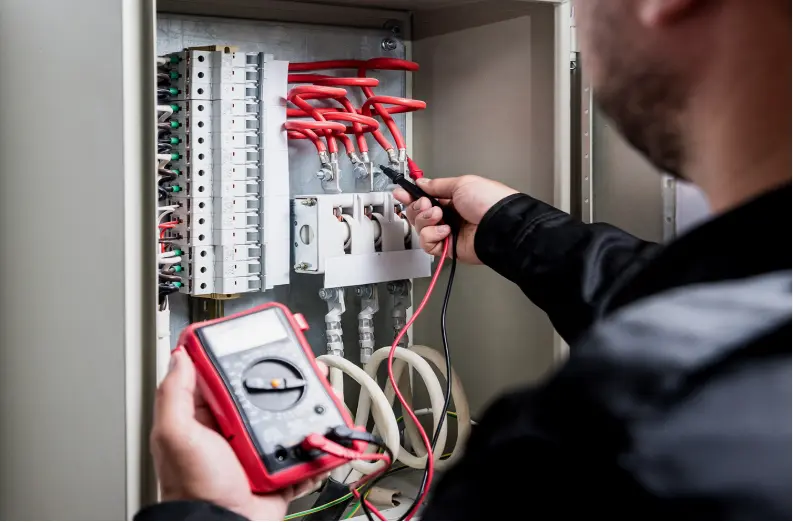
If your home has an outdated electrical panel, frequently tripping breakers, or not enough capacity for modern appliances, you may be wondering: how much does an electrical panel upgrade cost? In California, a typical residential panel upgrade can cost roughly $2,000 to $6,000, although more complex projects can cost substantially more. The California Energy Commission currently gives a similar $2,000–$6,000 range and notes that the age of the home can affect the price. California Public Utilities Commission research has found a much wider range of about $1,900–$8,188 for single-family panel upgrades, while some complex California projects can exceed $10,000.
The final price should be based on an electrician’s inspection and electrical load calculation rather than a general online estimate.
Average Electrical Panel Upgrade Cost
The cost of an electrical panel upgrade varies significantly from one home to another. A panel replacement at the same amperage is generally less involved than increasing the home’s electrical service.
| Electrical Project | Typical California Cost Range |
|---|---|
| Same-size panel replacement | About $1,500–$3,500+ |
| 100-amp to 200-amp upgrade | About $2,000–$6,000+ |
| 200-amp to 400-amp upgrade | About $4,000–$10,000+ |
| Panel relocation or major access work | Can add thousands of dollars |
| Meter or service equipment work | Additional cost may apply |
| Permit and inspection | Varies by city or county |
These are California planning ranges, not guaranteed quotes. Costs vary by city, labor rates, utility requirements, equipment, accessibility, panel location, and the condition of existing wiring. California’s Public Utilities Commission notes that panel and service replacements can range from about $1,000 to $14,000 before separate service-upsizing costs, depending on the scope.
What Is Included in an Electrical Panel Upgrade?
An electrical panel upgrade may involve more than simply replacing the metal panel box.
New Electrical Panel and Breakers
The electrician may install a new main panel, main breaker, circuit breakers, grounding components, and other required equipment.
Service Entrance Upgrades
If you are increasing the home’s electrical service from 100 amps to 200 amps, the existing service entrance conductors, meter equipment, or related components may also need to be upgraded.
Electrical Load Calculation
A professional load calculation helps determine whether the existing electrical service can safely handle your current and planned electrical demand. This is especially important before adding high-demand equipment such as an EV charger, heat pump, electric range, or other major appliances.
Permits and Inspection
Many panel and service upgrades require permits and an inspection. Utility coordination may also be necessary when the service connection or meter equipment is changed.
What Factors Affect Electrical Panel Upgrade Costs?
Several factors can increase or decrease the total cost.
1. Current and New Service Size
Moving from 100 amps to 200 amps is different from upgrading a 200-amp system to 400 amps. Larger service upgrades generally require more equipment and may involve additional utility work.
2. Condition of Existing Wiring
Old, damaged, undersized, or improperly installed wiring may need to be corrected before the new panel can be safely connected.
3. Panel Location
A panel that is difficult to access or needs to be relocated can increase labor costs. Relocation may require additional wiring, wall work, conduit, and other modifications.
4. Meter and Utility Work
Some projects require changes to the meter base, service entrance, service drop, or other equipment connected to the utility. These requirements vary by property and utility provider.
5. Grounding and Bonding
Older homes may require grounding and bonding improvements as part of an electrical upgrade. These corrections can add to the project cost but are important for a properly installed electrical system.
6. California Labor, Permits, and Utility Requirements
Electrical labor and permit fees vary by California city and county. For example, Menifee’s 2026 fee schedule lists a $103 electrical permit fee for services, switchboards, control centers, and panels up to 400 amps for a single-family residence, but permit charges are not uniform statewide. Some projects also require utility coordination or additional service equipment.
Do You Need an Electrical Panel Upgrade?
Not every electrical problem requires a larger panel. An electrician should evaluate your system before recommending an upgrade.
You may need an electrical panel upgrade if you notice:
- Frequent breaker trips
- Flickering or dimming lights
- An overloaded or crowded panel
- An outdated fuse box
- Signs of overheating or damage
- Insufficient capacity for new appliances
- Plans to install an EV charger
- Plans for a major home remodel
- Plans to add electric heating or other high-demand equipment
An electrical load calculation is especially useful when you are adding new electrical loads. For example, many Level 2 EV chargers require a dedicated 240-volt circuit and can place significant demand on an older 100-amp service.
Do You Need a Panel Upgrade for an EV Charger?
Not necessarily.
Many modern homes with 200-amp service can accommodate a Level 2 EV charger, but the answer depends on the home’s existing electrical load, available capacity, panel condition, and charger requirements.
An electrician can perform a load calculation and determine whether you need:
- A dedicated EV charger circuit
- A panel upgrade
- A service upgrade
- Load-management equipment
- Another electrical solution
This assessment can help you avoid paying for a larger upgrade when your existing electrical system can safely support the charger.
Electrical Panel Upgrade vs. Panel Replacement
These terms are often used interchangeably, but they can describe different projects.
Panel replacement usually means removing an old panel and installing a new one while keeping the same service capacity.
Panel upgrade may involve increasing the electrical service, such as moving from 100 amps to 200 amps, along with replacing or modifying related service equipment.
A subpanel is another option when you need additional circuits in a garage, addition, workshop, or other area and the main service has sufficient capacity.
Understanding the difference is important when comparing estimates because these projects have different scopes and costs.
How Long Does an Electrical Panel Upgrade Take?
A straightforward panel replacement or upgrade may take several hours of on-site electrical work. More complex projects can take longer when utility coordination, permits, inspections, service entrance work, or additional wiring repairs are involved. One 2026 industry estimate puts a straightforward 100-amp to 200-amp project at roughly four to eight hours of power-off work, although the total project timeline can be longer because of permitting and utility scheduling.
Your electrician should explain how long your specific project is expected to take before work begins.
How to Save Money on an Electrical Panel Upgrade
You should never choose an electrician based only on the lowest estimate. Instead, compare what each quote includes.
Ask whether the estimate covers:
- New panel and breakers
- Labor
- Permit fees
- Inspection
- Utility coordination
- Meter equipment
- Service entrance wiring
- Grounding and bonding
- Removal of the old panel
- Required electrical repairs
Getting multiple detailed estimates can help you understand whether a price difference is caused by the contractor’s labor rate or by differences in project scope.
Is an Electrical Panel Upgrade Worth the Cost?
For homeowners who need additional electrical capacity, are replacing outdated equipment, or are preparing for major electrical additions, an upgrade can be a practical investment. It can also make future projects such as EV charger installation, remodeling, electric appliances, or other high-demand equipment easier to plan.
However, an upgrade should not be performed simply because a larger panel sounds better. The correct service size depends on the home’s actual and expected electrical demand.
Frequently Asked Questions
Can I upgrade my electrical panel without rewiring my whole house?
Yes. A panel upgrade does not automatically mean the entire house needs new wiring. An electrician can determine whether your existing branch-circuit wiring is suitable for the new panel.
Is 200 amps enough for a modern home?
For many homes, 200-amp service provides substantial capacity, but it is not automatically appropriate for every property. Your electrical load, appliances, EV charging needs, heating system, and future plans should be considered.
How often should an electrical panel be replaced?
There is no single replacement schedule that applies to every home. Age, condition, safety concerns, available capacity, and the type of panel matter more than age alone.
Can I upgrade my electrical panel myself?
Electrical panel and service work can involve serious shock, fire, and utility hazards. It should be evaluated and performed by a qualified, licensed electrician according to applicable local requirements.
Should I upgrade my panel before remodeling?
It can be worthwhile to evaluate the panel before a major remodel, especially if you are adding appliances, rooms, lighting, HVAC equipment, or other electrical loads. Planning electrical capacity before construction can help prevent expensive changes later.
Get an Electrical Panel Upgrade Evaluation
If your panel is outdated, your breakers keep tripping, or you are planning an EV charger, home remodel, or other major electrical addition in California, start with a professional evaluation. CC Electrical can assess your existing electrical system and help determine whether you need a panel replacement, electrical panel upgrade, or broader electrical service upgrade.
A qualified electrician can inspect your existing system, perform an electrical load calculation, identify necessary repairs, and explain whether you need a panel replacement, electrical panel upgrade, breaker panel upgrade, or complete electrical service upgrade.
The right solution is not necessarily the biggest panel it is the electrical system that safely meets your home’s current and future needs.