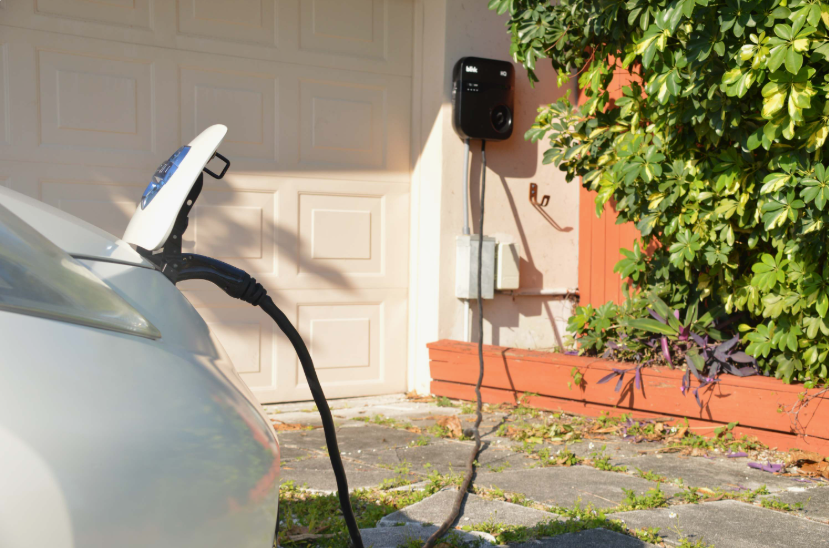
The home EV charger installation cost typically ranges from $800 to $3,000 for a Level 2 installation, depending on the electrical work required. Many homeowners should plan for around $1,200 to $2,500 for a typical project, including the charger, labor, wiring, and permits. More complex installations can cost more, especially when the home needs an electrical panel upgrade or extensive wiring.
These are general U.S. planning estimates, not a quote for your property. Published estimates vary depending on whether they include the charger itself, installation labor, permits, and electrical upgrades. EnergySage, for example, reports a typical installation range of $800 to $3,000 before charger equipment, based on 2026 data from Qmerit.
For homeowners in Valley Springs and surrounding California communities, the final price will depend on the home’s electrical panel, the distance between the panel and parking area, the charging equipment, and local permit requirements.
CC Electrical provides residential electrical services, including EV charger installation. A review of your existing electrical system can help determine the work required and provide a more accurate estimate.
Home EV Charger Installation Cost Breakdown
A home charging project involves more than purchasing a charging station. The electrician must determine whether your electrical system can support the charger, install the appropriate circuit, route the wiring, and verify that the installation works safely.
The following table shows general estimated costs for budgeting purposes.
| Component | Estimated Cost | What It Covers |
|---|---|---|
| Level 2 charger hardware | $300–$1,200 | Charging unit, with pricing depending on brand, power, and features |
| Installation labor | $500–$1,500 | Electrical work, mounting, wiring, and connections |
| Electrical materials | $150–$600 | Wiring, conduit, fittings, and other installation materials |
| Permits and inspections | $50–$300+ | Local permit and inspection fees; actual fees vary by jurisdiction |
| Typical overall project | About $1,200–$2,500 | A planning range for many standard installations |
These component ranges are approximate and can overlap with bundled installation quotes. Do not add every high-end figure together and assume that the result represents a typical project. A difficult installation may exceed the overall range, while a straightforward job may cost less.
Also, check whether your electrician’s quote includes the charging unit. Some installers quote for electrical work only, leaving the equipment purchase to the homeowner.
What Affects the Cost of Installing an EV Charger at Home?
Two homes can require different installation budgets even when the owners purchase the same charger. The main differences usually involve the electrical panel, wiring route, installation method, and local requirements.
1. Distance Between the Electrical Panel and Charger
The distance between your electrical panel and parking space is one of the biggest factors affecting the cost of EV charger installation.
When the charger can be installed near the panel, the electrician may need less wire, conduit, and labor. A longer route can increase the amount of material and time required.
For example:
- Short wiring run: A garage wall close to the electrical panel may allow a relatively straightforward installation.
- Long wiring run: A charger on the opposite side of the house may require additional conduit and more complicated routing.
- Detached garage: The project may require underground conduit and trenching.
- Finished walls or ceilings: Accessing concealed wiring routes may require additional labor and repairs.
Long wiring runs of approximately 60–80 feet can add $1,000–$1,500 or more in some cases. This is a broad estimate, not a fixed fee. The actual cost depends on the route, materials, access, and amount of construction work required.
Tip: If practical, consider installing the charger near the electrical panel and the place where you normally park your vehicle. A qualified electrician can help you choose a safe, convenient location.
2. Electrical Panel Capacity
Your electrical panel distributes power to your home’s appliances, lighting, outlets, heating and cooling equipment, and other electrical loads. A Level 2 EV charger adds a significant continuous load, so the electrician must check whether the existing system can safely support it.
The panel’s amperage rating alone does not determine whether an upgrade is necessary. The electrician should evaluate the existing loads, available capacity, service equipment, and proposed charger requirements.
Depending on the assessment, possible costs include:
| Electrical Work | General Estimated Cost |
|---|---|
| Adding a dedicated 240-volt circuit when capacity and space are available | $60–$150 for the circuit addition itself in some estimates |
| Installing a subpanel | $500–$1,500 |
| Upgrading the main electrical panel or service | $1,500–$4,000+ |
These are broad estimates, and a complete project may cost more when labor, permits, materials, or utility work are added. A subpanel also does not automatically solve a shortage of overall electrical capacity.
A panel upgrade is not always necessary. Some homes can support an EV charger with their existing equipment, while others need additional work. An electrical load calculation can help determine the appropriate solution.
3. Hardwired vs. Plug-In EV Charger Installation
Level 2 chargers can generally be installed using either a hardwired connection or a suitable 240-volt outlet, depending on the charger’s specifications and applicable electrical requirements.
Hardwired EV charger
A hardwired charger connects directly to the electrical circuit.
Potential benefits include:
- A permanent installation with no separate charging outlet.
- A clean appearance with fewer exposed connections.
- Compatibility with many higher-powered charging units.
- Suitable options for outdoor locations when the equipment and installation are rated for the environment.
The charger cannot simply be unplugged and moved, so the location should be planned carefully.
Plug-in EV charger
A plug-in charger connects to a compatible 240-volt outlet, such as a properly installed NEMA 14-50 receptacle when permitted by the equipment specifications.
Potential benefits include:
- The ability to unplug compatible charging equipment.
- More flexibility if you later replace the charger.
- Convenience for owners who prefer a removable unit.
The outlet and circuit must be correctly rated for continuous EV charging. GFCI protection and other requirements depend on the applicable code, equipment, and installation arrangement.
Neither option is automatically cheaper in every home. The right choice depends on the charger’s requirements, desired charging power, location, and total installation cost.
4. Indoor vs. Outdoor Installation
Installing a charger inside a garage may be simpler if the wiring route is accessible and the panel is nearby. Outdoor installations may require equipment rated for outdoor use, suitable weather protection, and appropriate conduit and fittings.
Costs can increase if the installation involves:
- A long route along an exterior wall.
- Additional weatherproofing or mounting work.
- Concrete drilling or other surface modifications.
- Underground wiring to a detached parking structure.
- Difficult access to the electrical panel.
The charger must be installed according to its manufacturer’s instructions and applicable electrical codes. An electrician can help select a suitable location that protects the equipment while keeping the charging cable convenient to use.
5. Permits and Inspections
A home EV charger installation may require an electrical permit and inspection. Requirements and fees vary by local jurisdiction and the scope of work.
Before approving a quote, ask whether it includes:
- Permit application and fees.
- Required inspections.
- Electrical work needed to meet applicable codes.
- Testing and verification after installation.
Do not assume that a permit is unnecessary just because the charger is installed in a private garage. Confirm the requirements with the local building department or your electrician.
6. Charger Brand and Charging Power
The charging unit itself can cost a few hundred dollars or more than $1,000, depending on the model and features.
Examples of products homeowners may compare include the Tesla Wall Connector, ChargePoint Home Flex, and Emporia home chargers. Check compatibility with your vehicle, connector requirements, power rating, warranty, and installation instructions before buying.
Smart chargers may offer features such as Wi-Fi connectivity, scheduled charging, energy monitoring, and charging management. These features can be useful, but a more expensive charger does not necessarily charge every vehicle faster.
The charger’s output must also be compatible with the circuit and the vehicle’s onboard charging capability. A higher-rated charger will not deliver its maximum possible power if the circuit or vehicle supports less.
Level 1 vs. Level 2 Home EV Charging
Not every EV owner needs a Level 2 charging station immediately. The best option depends on how far you drive, how long the vehicle remains parked, and how quickly you need to recharge.
| Feature | Level 1 Charging | Level 2 Charging |
|---|---|---|
| Power supply | Standard 120-volt outlet | Dedicated 240-volt circuit |
| Typical charging speed | About 3–5 miles of range per hour | Often about 25–40 miles of range per hour |
| Special installation | May not be needed if a suitable outlet is available | Usually requires a dedicated circuit and charger installation |
| Upfront cost | Usually lower | Higher because of equipment and electrical work |
| Best for | Short daily trips and low charging needs | Regular driving and faster home charging |
Charging speed varies by vehicle, charger output, battery conditions, and other factors. The figures above are general estimates, not guaranteed charging rates.
Is Level 1 Charging Enough?
Level 1 charging may be enough if you drive relatively short distances, park at home for long periods, and can recharge overnight. It can also be a way to delay the cost of a Level 2 installation while you evaluate your charging needs.
However, Level 1 may not replace the energy used during a long daily commute within a limited overnight charging period.
Why Choose Level 2 Charging?
Level 2 charging is often more practical for drivers who use their vehicles frequently or want to recharge faster at home.
It can be useful for:
- Daily commuting.
- Charging a vehicle overnight.
- Replenishing more battery capacity between trips.
- Households with higher daily driving needs.
- Owners planning to use an EV as their primary vehicle.
A Level 2 charger usually costs more upfront, but it provides faster charging when the vehicle and electrical system support it.
How Much Does a Home EV Charger Add to Your Electric Bill?
The cost of charging an EV at home depends on how much electricity the vehicle uses and your electricity rate. Installing a charger does not create a fixed monthly charge by itself; the additional bill mainly comes from the electricity consumed during charging.
You can estimate the cost with this simple formula:
Charging cost = Electricity used in kWh × Electricity rate per kWh
For example, if your vehicle uses 300 kWh per month for charging and your electricity rate is $0.30 per kWh:
300 kWh × $0.30 = $90 per month
This is an example, not a prediction of your actual bill. Your vehicle’s efficiency, driving distance, charging losses, and utility rate will affect the result.
To estimate your own charging costs:
- Check your utility bill for the applicable electricity rate.
- Estimate how many miles you drive each month.
- Check your EV’s approximate energy consumption per mile.
- Multiply your estimated monthly electricity use by your rate.
- Include any applicable time-of-use charges or fixed fees.
Some utilities offer time-of-use plans with lower rates during certain hours. If available and suitable for your household, scheduling charging during lower-cost periods may reduce the cost of charging at home.
Can You Use a Dryer Outlet to Charge an EV?
Some EV charging equipment can use a compatible 240-volt outlet, but you should not assume that an existing dryer outlet is suitable.
A dryer circuit may have a different rating, may be shared with an appliance, or may not meet the charger’s electrical requirements. EV charging is a continuous load, so the circuit, receptacle, wiring, and protective devices must be appropriate for the intended use.
Before using a dryer outlet, ask a qualified electrician to check:
- The circuit’s amperage and available capacity.
- The receptacle type and condition.
- The charger’s electrical requirements.
- Required circuit protection and applicable codes.
- Whether the circuit can safely support the charging load.
Avoid using improvised adapters or extension cords as a substitute for a proper installation. If you need to use the same location for a dryer and an EV charger, ask about a safe, code-compliant arrangement.
Are There Tax Credits or Rebates for Home EV Charger Installation?
Incentives can sometimes reduce the upfront cost of EV charging equipment, but eligibility depends on the program, location, equipment, and installation date.
Federal tax credit update: The federal Alternative Fuel Vehicle Refueling Property Credit for eligible residential installations is no longer available for property placed in service after June 30, 2026. Homeowners planning an installation now should not assume that they can claim the former credit of up to 30% of eligible costs, capped at $1,000 per charging port.
Other programs may still be available through utilities, local agencies, or specific incentive initiatives. Availability and eligibility can change, so check current program terms before including a rebate in your budget.
California homeowners can start by reviewing the California Energy Commission’s homeowner energy resources and asking their electricity provider about current EV charging programs.
Do not assume that a rebate for publicly accessible commercial charging stations applies to a private home charger. Always verify that the program covers residential installations and that funding is still available.
How to Reduce Home EV Charger Installation Costs
You may be able to reduce the project cost without compromising electrical safety.
Choose a Practical Charger Location
A location near the electrical panel can reduce wiring length and labor. Consider where you park, how the charging cable will reach the vehicle, and whether the installation route is accessible.
Check Your Panel Before Buying Equipment
Have the electrical system assessed before purchasing a charger. This can help you choose equipment that fits your available electrical capacity and avoid buying a unit that requires unexpected upgrades.
Compare Charger Features
Choose a charger based on compatibility, power needs, cable length, outdoor rating, and useful features. Paying extra for features you will not use may not improve your charging experience.
Request Itemized Quotes
Compare at least two or three quotes when possible. Ask each electrician to separate the charger, labor, wiring, circuit, permits, and any proposed panel upgrades. Make sure the quotes cover similar work before comparing prices.
Check Current Utility Programs
Ask your electricity provider whether it offers residential charging rebates, special rates, or time-of-use plans. Confirm the current eligibility rules and application deadlines.
Plan for Future Electrical Needs
If you expect to add another EV, a heat pump, or other major electrical equipment, discuss those plans during the initial assessment. Planning ahead may help you understand whether a circuit addition, load-management solution, subpanel, or service upgrade makes sense.
Why Have a Professional Install Your Home EV Charger?
A Level 2 charger draws substantial electrical power over an extended period. Incorrect wiring, unsuitable circuit protection, or an overloaded panel can create electrical hazards and damage equipment.
A professional installation should account for the charger’s specifications, electrical load, circuit sizing, wiring route, mounting location, permit requirements, and final testing.
CC Electrical provides residential and commercial electrical services, including EV charger installation. If you are planning a home charging station, discussing your vehicle, parking location, and existing electrical setup can help identify the work needed before installation begins.
For service information or to discuss your project, contact CC Electrical at +1 209-603-4605 or ccelectrical24@gmail.com.
Frequently Asked Questions
How much should it cost to install an EV charger at home?
A Level 2 home EV charger project commonly falls around $1,200–$2,500 when the charger, labor, wiring, and permits are included. A broader planning range is approximately $800–$3,000 or more, depending on what is included and the home’s electrical requirements. Panel upgrades and extensive wiring can increase the total.
Do I need a Level 2 charger at home?
Not necessarily. Level 1 charging may be enough for drivers with short daily trips and long parking periods. Level 2 is often more convenient for regular driving because it can recharge the vehicle much faster.
Does my home need a 200-amp electrical panel for an EV charger?
Not in every case. The electrician needs to assess the existing electrical loads and available capacity. Some homes can support a charger without a panel upgrade, while others may need a circuit change, load-management solution, subpanel, or service upgrade.
How long does home EV charger installation take?
A straightforward installation may take several hours, but the total project can take longer if wiring access is difficult, a panel upgrade is needed, or permit and inspection scheduling adds time. Your electrician can provide a more realistic timeline after assessing the property.
Can I install a Tesla Wall Connector at home?
A Tesla Wall Connector can be installed at a suitable home location when the electrical system, circuit, and installation meet the manufacturer’s requirements and applicable codes. Have the electrician confirm compatibility, available capacity, and the correct circuit design before installation.
Is hardwired or plug-in EV charger installation better?
Hardwired chargers provide a permanent connection, while plug-in models offer flexibility when compatible with a properly installed outlet. The best choice depends on the charger’s requirements, desired output, installation location, and total project cost.
Can I install an EV charger outside?
Yes, when the charger is rated for the environment and installed according to the manufacturer’s instructions and applicable codes. Outdoor installations may require suitable weather protection, mounting, conduit, and wiring arrangements.
Are there still federal tax credits for home EV chargers in 2026?
The federal residential charging-property credit ended for installations placed in service after June 30, 2026. Check current utility and local programs for any other incentives that may apply to your property.
Is home charging cheaper than public charging?
Home charging can cost less per mile than many public charging options, but the actual difference depends on your electricity rate, public charging prices, vehicle efficiency, and charging habits. Compare the rates available to you rather than relying on a national average.
How can I get an accurate EV charger installation estimate?
Provide an electrician with your vehicle and charger details, photos of your electrical panel if requested, the planned parking location, and information about the distance between the panel and charger. An on-site assessment may be necessary to confirm wiring routes, electrical capacity, permits, and the final project scope.
Plan Your Home EV Charger Installation
Installing a home EV charger starts with understanding your charging needs and checking your home’s electrical system. The cost can be relatively straightforward when the panel has enough capacity and the charger is close to the parking area. Longer wiring runs, panel upgrades, and permit requirements can increase the budget.
CC Electrical can discuss your EV charger installation needs and the electrical work involved. Call +1 209-603-4605 or email ccelectrical24@gmail.com to ask about your project and confirm service availability.